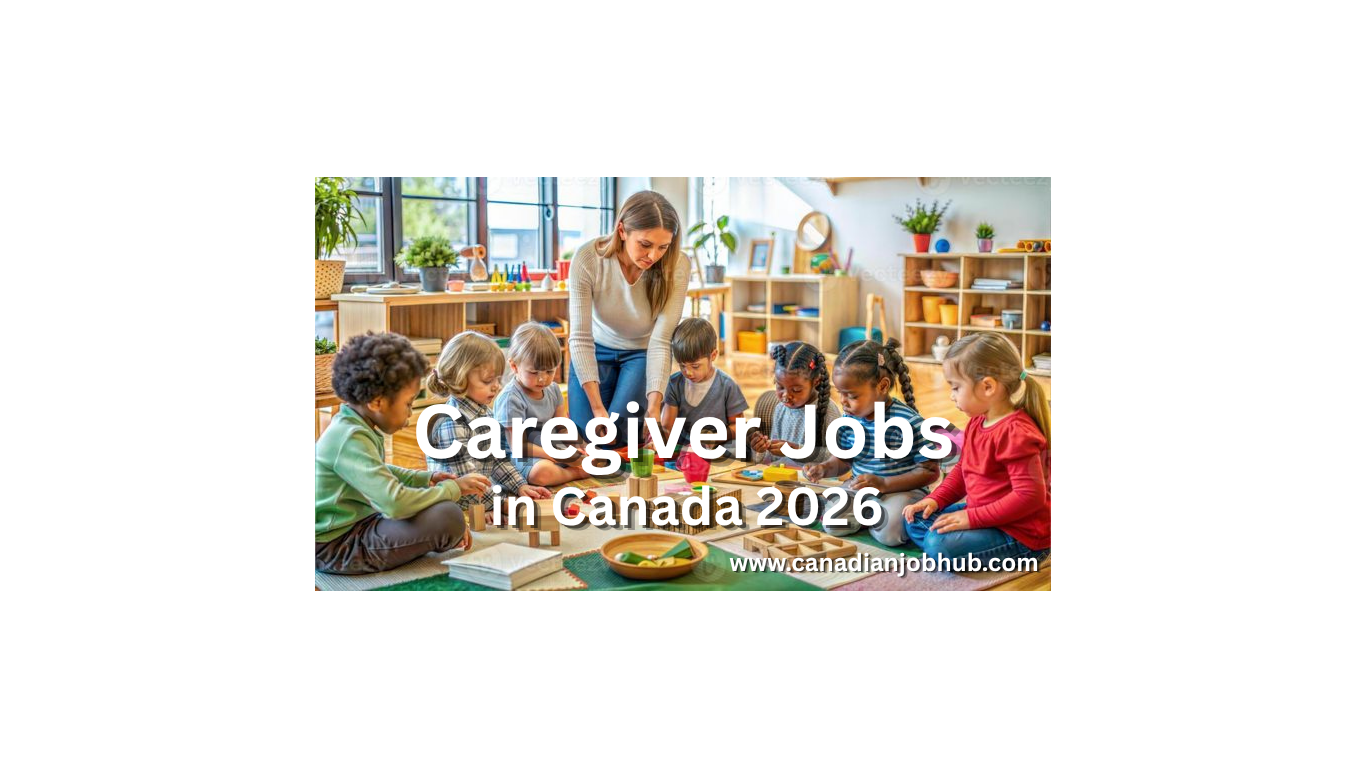
Canada Provincial Nominee Program (PNP)
Canada remains one of the world’s most attractive destinations for skilled professionals, students, entrepreneurs, and families seeking a better quality of life. With a strong economy, excellent healthcare, free public education, and high employment opportunities, Canada continues to welcome hundreds of thousands of newcomers every year.
One of the fastest and most reliable ways to obtain Canadian Permanent Residency (PR) is through the Provincial Nominee Program (PNP).
The Provincial Nominee Program allows Canadian provinces and territories to nominate foreign workers, graduates, and entrepreneurs who possess the skills needed in their local labour markets.
In 2026, the PNP continues to play a vital role in Canada’s immigration strategy, with thousands of invitations expected across multiple provinces.
This comprehensive guide explains everything you need to know about the Canada Provincial Nominee Program 2026—from eligibility and requirements to the complete application process and the best provinces for immigrants.
What is the Canada Provincial Nominee Program (PNP)?
The Provincial Nominee Program (PNP) is an immigration pathway that enables Canadian provinces and territories to select skilled foreign workers who can contribute to their local economies.
Instead of applying directly through federal immigration only, candidates receive a provincial nomination, significantly increasing their chances of obtaining permanent residency.
Each province manages its own immigration streams according to labour shortages and economic priorities.
Click Here: Austria Job Seeker Visa Explained (Easy Guide 2026)
Provinces Participating in PNP
Almost every Canadian province and territory has its own Provincial Nominee Program.
These include:
- Ontario Immigrant Nominee Program (OINP)
- British Columbia Provincial Nominee Program (BC PNP)
- Alberta Advantage Immigration Program (AAIP)
- Saskatchewan Immigrant Nominee Program (SINP)
- Manitoba Provincial Nominee Program (MPNP)
- Nova Scotia Nominee Program (NSNP)
- New Brunswick Provincial Nominee Program (NBPNP)
- Prince Edward Island Provincial Nominee Program (PEI PNP)
- Newfoundland and Labrador Provincial Nominee Program
- Yukon Nominee Program (YNP)
- Northwest Territories Nominee Program (NTNP)
Why Choose the Provincial Nominee Program?
The PNP has become one of Canada’s most successful immigration pathways because it offers several advantages.
Key Benefits
- Faster route to Canadian PR
- Higher Express Entry CRS score after nomination
- Opportunities for skilled workers
- Pathway for international graduates
- Business immigration streams
- Family-friendly immigration policies
- Access to provincial healthcare
- Free education for dependent children
- Opportunity to become a Canadian citizen later
Who Can Apply?
The Provincial Nominee Program welcomes applicants from various backgrounds.
Eligible candidates include:
- Skilled workers
- Healthcare professionals
- IT professionals
- Engineers
- Teachers
- Construction workers
- Agricultural workers
- Hospitality workers
- Truck drivers
- International graduates
- Entrepreneurs
- Business investors
Canada PNP Eligibility Requirements 2026
Each province sets its own eligibility criteria.
However, most applicants must satisfy the following:
1. Age
Generally between 18 and 49 years.
Applicants aged 20–35 usually receive maximum points.
2. Education
Applicants typically require:
- High School Diploma
- Diploma
- Bachelor’s Degree
- Master’s Degree
- PhD
Educational Credential Assessment (ECA) is often required.
3. Language Requirements
Applicants must demonstrate English or French proficiency.
Accepted tests include:
- IELTS
- CELPIP
- TEF Canada
- TCF Canada
Most streams require:
CLB 5–7 depending on occupation.
4. Work Experience
Most PNP streams require:
- 1–3 years of relevant work experience
Some employer-driven streams accept less experience.
5. Job Offer
Not every PNP stream requires a job offer.
Some provinces invite candidates directly from the Express Entry pool.
Others require:
- Full-time employment
- Permanent position
- Employer support
6. Proof of Funds
Applicants must demonstrate sufficient financial resources to support themselves and their family after arriving in Canada.
Funds depend on:
- Family size
- Province
- Immigration stream
Types of Provincial Nominee Programs
Each province offers several immigration streams.
1. Skilled Worker Stream
Designed for experienced professionals.
Common occupations include:
- Nurses
- Engineers
- Electricians
- Welders
- Accountants
- Software Developers
2. Express Entry Stream
Linked directly to Canada’s Express Entry system.
Benefits include:
- Faster processing
- Additional 600 CRS points
- Higher chance of Invitation to Apply (ITA)
3. International Graduate Stream
For students who graduated from eligible Canadian institutions.
Many provinces encourage graduates to remain and work permanently.
4. Employer Job Offer Stream
Applicants receive nomination through an approved employer.
Requirements generally include:
- Valid job offer
- Full-time employment
- Labour market need
5. Entrepreneur Stream
Ideal for experienced business owners wishing to invest in Canada.
Applicants typically need:
- Business experience
- Investment funds
- Business proposal
Provinces with High Demand in 2026
Ontario
Popular occupations:
- IT
- Finance
- Healthcare
- Engineering
- Skilled Trades
British Columbia
Demand exists in:
- Technology
- Construction
- Tourism
- Healthcare
Alberta
Opportunities include:
- Oil & Gas
- Agriculture
- Construction
- Truck Driving
- Engineering
Saskatchewan
Major industries include:
- Agriculture
- Manufacturing
- Healthcare
- Mining
Manitoba
Growing demand for:
- Manufacturing
- Transportation
- Agriculture
- Healthcare
Atlantic Provinces
Strong demand for:
- Nurses
- Caregivers
- Hospitality Workers
- Truck Drivers
- Food Processing Workers

In-Demand Occupations Under PNP 2026
Some of Canada’s most sought-after occupations include:
- Registered Nurses
- Software Engineers
- Cybersecurity Specialists
- Truck Drivers
- Welders
- Electricians
- Carpenters
- Heavy Equipment Operators
- Civil Engineers
- Mechanical Engineers
- Construction Managers
- Accountants
- Financial Analysts
- Teachers
- Early Childhood Educators
- Chefs
- Hotel Staff
- Agricultural Workers
- Caregivers
- Pharmacists
Step-by-Step Application Process
Step 1: Choose a Province
Research provincial labour market needs and select the province best aligned with your skills.
Step 2: Check Eligibility
Review the selected province’s immigration stream requirements.
Step 3: Create an Express Entry Profile (if applicable)
Some PNP streams require an active Express Entry profile.
Step 4: Submit Expression of Interest (EOI)
Certain provinces require applicants to submit an EOI before receiving an invitation.
Step 5: Receive Provincial Nomination
If selected, the province issues a nomination certificate.
Step 6: Apply for Permanent Residence
Submit your PR application to Immigration, Refugees and Citizenship Canada (IRCC).
Step 7: Medical Examination
Complete a medical examination with an approved panel physician.
Step 8: Police Clearance
Provide police certificates from countries where required.
Step 9: Biometrics
Attend a biometrics appointment if requested.
Step 10: Receive Permanent Residence
After approval, receive your Confirmation of Permanent Residence (COPR) and prepare to move to Canada.
Processing Time
Processing varies by province and stream.
Typical timelines:
| Stage | Estimated Time |
|---|---|
| Provincial Nomination | 2–8 Months |
| Express Entry PR | 5–8 Months |
| Paper-Based PR | 12–20 Months |
Documents Required
Don’t miss these trending job opportunities in 2026. Visit: 🌐www.canadianjobhub.com/ or send your updated CV to Apply Now. 📨career@canadianjobhub.com
Prepare the following:
- Valid Passport
- Educational Certificates
- Educational Credential Assessment (ECA)
- Language Test Results
- Work Experience Letters
- Employment Contracts
- Resume/CV
- Proof of Funds
- Medical Examination
- Police Clearance Certificate
- Birth Certificate
- Marriage Certificate (if applicable)
- Provincial Nomination Certificate
Cost of Applying
Approximate fees include:
| Application | Estimated Fee (CAD) |
|---|---|
| Provincial Nomination | $250–$2,500 (varies by province) |
| Permanent Residence | $1,525 |
| Biometrics | $85 |
| Medical Examination | $150–$350 |
| IELTS/CELPIP | Varies by country |
| Educational Assessment | $200–$350 |
Tips to Increase Your Chances of Selection
- Improve your IELTS or CELPIP score.
- Gain additional skilled work experience.
- Obtain an Educational Credential Assessment (ECA).
- Keep your Express Entry profile updated.
- Apply to provinces where your occupation is in demand.
- Tailor your resume to Canadian standards.
- Secure a valid job offer if possible.
- Monitor provincial invitation rounds regularly.
Common Reasons for Refusal
Avoid these common mistakes:
- Incomplete applications
- Incorrect documents
- Low language scores
- Insufficient proof of funds
- Misrepresentation
- Expired documents
- Failure to meet provincial criteria
Advantages of Living in Canada
Permanent residents enjoy many benefits, including:
- Free public healthcare
- High-quality education
- Strong labour protections
- Competitive salaries
- Multicultural society
- Safe communities
- Family sponsorship opportunities
- Pathway to Canadian citizenship
- Social security benefits
- Excellent work-life balance
Frequently Asked Questions (FAQs)
Can I apply for PNP without a job offer?
Yes. Several provinces have Express Entry-linked or occupation-based streams that do not require a job offer.
Is PNP easier than Express Entry?
For many applicants, yes. A provincial nomination adds 600 CRS points, greatly increasing the likelihood of receiving an Invitation to Apply for permanent residence.
Which province is easiest for PNP?
The best option depends on your occupation, qualifications, language score, and work experience. Provinces such as Saskatchewan, Alberta, Manitoba, and Nova Scotia are often popular among skilled workers.
How long does the PNP process take?
Processing times vary by province and application stream, but most candidates can expect anywhere from several months to over a year.
Can I move to another province after getting PR?
As a Provincial Nominee, you are expected to intend to live and work in the province that nominated you. After becoming a permanent resident, mobility rights under Canadian law apply, but you should initially settle in your nominating province.
Do I need IELTS?
Most PNP streams require proof of English or French language proficiency through an approved test such as IELTS, CELPIP, TEF, or TCF.
Is there an age limit?
There is no strict maximum age for many streams, but younger applicants generally receive more points under points-based selection systems.
Conclusion
The Canada Provincial Nominee Program (PNP) 2026 remains one of the most practical and successful pathways for skilled workers, international graduates, and entrepreneurs seeking permanent residence in Canada. With provinces actively addressing labour shortages, candidates who have in-demand skills, strong language proficiency, and relevant work experience have excellent opportunities to receive a provincial nomination and eventually obtain Canadian PR.
To improve your chances, research the province that best matches your occupation, prepare all required documents in advance, meet language and education requirements, and stay informed about the latest provincial invitation rounds. With careful planning and a complete application, the PNP can be your gateway to building a long-term career and life in Canada.
More Opportunities:
- Austria Job Seeker Visa Explained (Easy Guide 2026)
- Germany Opportunity Card Explained (Latest Update 2026)
- Top 20 Canada Interview Questions for Foreign Workers (2026 Guide)
- Germany Work Visa 2026: Complete Process & Requirements for Foreign Workers
- Canada Seasonal Worker Visa Process 2026 – Complete Step-by-Step Guide for Foreign Workers
- How to Get a Schengen Work Visa in 2026 (Step-by-Step Guide)
- Urgent Canada Farm Worker Jobs 2026 – Apply Now with Visa Sponsorship
- How to Get an Oman Visa Without an Agent 2026.
- LMIA Jobs in Canada 2026: Complete Guide to Visa Sponsorship, Work Permits & High-Demand Careers