












If you’re planning to move to Canada for work, having a valid job offer significantly enhances your chances of obtaining a visa or permanent residency. Whether you’re applying through the Express Entry system or for a work permit, the right job offer can help you meet the requirements for immigration and make your application more competitive.
Below is a comprehensive guide on how to secure a valid job offer in Canada and ensure it meets the necessary immigration criteria. From finding job opportunities to understanding Labor Market Impact Assessment (LMIA) requirements, these steps will help you successfully move to Canada for work.
1. Determine the Type of Job Offer You Need
When planning to move to Canada for work, the type of job offer you secure can make a difference in your visa application process. A valid job offer from a Canadian employer can help with both:
Express Entry: A job offer can increase your Comprehensive Ranking System (CRS) score, boosting your chances of receiving an invitation to apply for permanent residency.
Work Permit: Many work permits, such as those under the Temporary Foreign Worker Program (TFWP) or the International Mobility Program (IMP), require a valid job offer.
For Express Entry, a valid job offer must meet certain conditions:
- It should be full-time and for at least one year.
- It must come from a Canadian employer and be backed by a Labor Market Impact Assessment (LMIA), unless exempt.
- The job must fall under the NOC TEER 0, 1, 2, or 3 categories.
2. Search for Jobs in Canada
Finding a job offer that aligns with Canadian immigration requirements can take time, but several platforms can simplify your search:
Job Bank Canada: This is the official job board of the Canadian government, where employers often post openings specifically for foreign workers.
Popular Canadian Job Portals:
- Indeed Canada
- Monster Canada
- Workopolis
Company Websites: Many Canadian companies prefer to post their job openings directly on their websites. Identify companies within your industry and check their career pages regularly for new opportunities.
LinkedIn: Networking on LinkedIn can help you connect directly with Canadian recruiters and employers who are looking to hire internationally.
3. Tailor Your Resume to Canadian Standards
One of the key steps in moving to Canada for work is ensuring that your resume meets Canadian standards. Employers in Canada typically expect:
Clear Layout: Your resume should have distinct sections for personal details, work experience, skills, and education.
Focus on Achievements: Highlight your specific skills and accomplishments relevant to the job you’re applying for, demonstrating how your experience fits the role.
Avoid Personal Information: In contrast to some countries, Canadian resumes should not include personal details such as age, marital status, or a photo.
4. Apply for Jobs that Require LMIA
Don’t miss these trending job opportunities in 2026. Visit: 🌐www.canadianjobhub.com/ or send your updated CV to Apply Now. 📨career@canadianjobhub.com
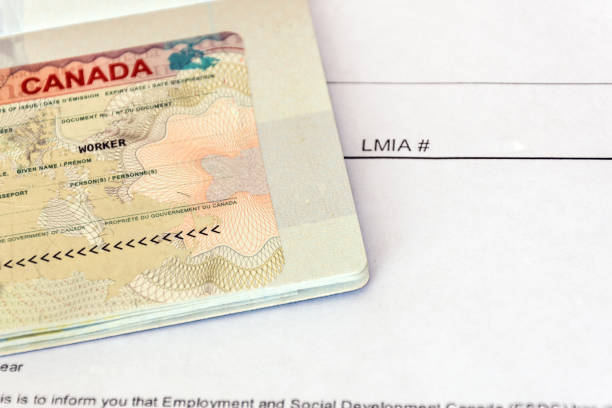
The Labor Market Impact Assessment (LMIA) is a document that Canadian employers need to obtain before hiring a foreign worker, demonstrating that there were no qualified Canadian citizens or permanent residents available to fill the position.
If you’re applying for a job under the Temporary Foreign Worker Program (TFWP), the employer will need to obtain a positive LMIA on your behalf.
Pro Tip: When searching for job opportunities, look for roles where the employer specifies they are willing to support LMIA applications.
5. Attend Job Fairs and Hiring Events
Job fairs and hiring events are excellent ways to connect with Canadian employers, particularly those seeking to fill positions with international workers. Some key events to consider:
Destination Canada Forum: This annual event organized by the Canadian government is tailored for French-speaking foreign professionals.
Virtual Job Fairs: Many companies and recruiters host virtual hiring events where you can interact with potential employers in real-time.

6. Networking is Key
Building professional connections can be a powerful way to secure job offers in Canada, particularly through networking. Here are some tips:
- LinkedIn: Connect with Canadian professionals and recruiters in your industry.
- Industry Events: Attend virtual and in-person industry meetups and conferences.
- Professional Organizations: Join Canadian organizations related to your field to build relationships and discover job opportunities.
Networking is often the key to hearing about job openings that aren’t publicly advertised.
7. Consider Provincial Nominee Programs (PNPs)
Canada’s Provincial Nominee Programs (PNPs) offer another pathway to securing a job offer and moving to Canada for work. Many provinces, including Ontario, British Columbia, and Alberta, have specific nomination streams for individuals with job offers from local employers.
Employer-Driven PNPs: Some PNP streams are employer-specific, meaning you’ll need a valid job offer to qualify for nomination, which can then be used to apply for permanent residency.
8. Explore LMIA-Exempt Job Offers
Also Check: Electrician Jobs in Canada
Not all job offers in Canada require an LMIA. Under the International Mobility Program (IMP), some categories of workers are exempt from LMIA requirements. These include:
- Intra-Company Transferees: Individuals moving to a Canadian branch of their employer.
- Trade Agreements: Certain workers are exempt under international agreements such as CETA (Canada-European Union Comprehensive Economic and Trade Agreement) or CUSMA (formerly NAFTA).
- Post-Graduation Work Permit Holders: Graduates from Canadian educational institutions may be eligible to work without an LMIA.

9. Get a Work Permit
After securing a job offer, the next step to move to Canada for work is applying for a work permit. There are two primary types:
- LMIA-Required Work Permit: After your employer secures a positive LMIA, you can apply for your work permit with the job offer and LMIA documents.
- LMIA-Exempt Work Permit: If your job offer qualifies for an LMIA exemption, such as intra-company transfers, you can apply for the work permit directly.
10. Using Job Offers in Express Entry
In the Express Entry system, a valid job offer can significantly increase your CRS (Comprehensive Ranking System) score, which boosts your chances of being invited to apply for permanent residency.
- 50 CRS points are awarded for a job offer in NOC TEER 0, 1, 2, or 3 occupations.
- 200 CRS points are awarded for a job offer in senior management roles (e.g., NOC 000).
To qualify, the job offer must:
- Be full-time and for at least one year.
- Be supported by an LMIA unless exempt.
General Tips for Securing a Valid Job Offer in Canada
- Prepare Your Documents: Ensure your resume, cover letter, and LinkedIn profile are aligned with Canadian job application standards.
- Target Jobs for International Candidates: Focus on employers who are open to hiring foreign workers and willing to support an LMIA.
- Leverage Networking: Use professional organizations, LinkedIn, and industry events to connect with Canadian employers.
- Understand LMIA Requirements: Know which job offers require an LMIA and find employers willing to assist with the process.
With these steps, you can successfully move to Canada for work, secure a valid job offer, and obtain the necessary work permit to start your new career in the Canadian workforce.
Would you like assistance with improving your resume for Canadian job applications or exploring specific industries in Canada?
More Opportunities:
- How to Get an Oman Visa Without an Agent 2026.
- Oman Work Visa Update 2026
- How to Find Visa Sponsorship Jobs in Norway
- Canada Visitor Visa & eTA 2026
- Apply for Hot Jobs in Canada Now
- Which Canada Visa Is Easiest?
- Housekeeping Jobs in Canada with Visa Sponsorship 2026
- Settle in Germany Legally in 2026
- Where to Get Permanent Residency Quickly in 2026







Good https://is.gd/N1ikS2
Your blog has helped me become a more positive and mindful person I am grateful for the transformative effect your words have had on me