











Canada New Immigration Policy 2026 – Latest Rules, PR, Work Permit & Visa Guide
Canada continues to rank among the world’s most attractive destinations for immigrants, international students, and skilled professionals. Every year, hundreds of thousands of people choose Canada because of its stable economy, excellent healthcare, quality education, multicultural society, and numerous immigration opportunities.
In 2026, the Canadian government has introduced several important immigration policy updates aimed at addressing labour shortages, supporting economic growth, improving regional development, and making immigration programs more responsive to employer needs.
Whether you are planning to work in Canada, apply for Permanent Residency (PR), study, or reunite with your family, understanding these policy changes is essential before submitting your application.
This comprehensive guide explains everything you need to know about Canada’s New Immigration Policy 2026, including:
- Latest immigration changes
- Express Entry updates
- Provincial Nominee Program (PNP)
- Work Permit rules
- LMIA process
- Family sponsorship
- Student pathways
- PR opportunities
- High-demand occupations
- Eligibility requirements
- Step-by-step application process
Why Canada Needs More Immigrants in 2026
Canada continues facing serious labour shortages across multiple industries.
The primary reasons include:
- Aging population
- Low birth rate
- Growing economy
- Increased infrastructure projects
- Healthcare worker shortages
- Technology sector expansion
- Construction boom
- Agricultural labour demand
To solve these challenges, Canada continues increasing immigration targets while focusing on skilled professionals and workers who can contribute to economic development.
Click Here: Top 10 In-Demand Jobs in Canada 2026: High-Paying Careers, LMIA & Visa Sponsorship Guide
Major Canada Immigration Policy Changes in 2026
Several important updates affect foreign workers and future immigrants.
1. Higher Focus on Skilled Workers
Canada now prioritizes applicants with experience in occupations experiencing labour shortages.
These include:
- Healthcare
- Engineering
- Skilled Trades
- Information Technology
- Education
- Agriculture
- Manufacturing
- Construction
- Logistics
- Transportation
Applicants with experience in these sectors generally receive stronger consideration through immigration programs.
2. Expansion of Provincial Nominee Programs (PNPs)
Canadian provinces continue receiving increased nomination allocations.
Popular provinces include:
- Ontario
- British Columbia
- Alberta
- Saskatchewan
- Manitoba
- Nova Scotia
- New Brunswick
- Newfoundland and Labrador
- Prince Edward Island
Provincial programs help employers recruit international talent for local labour market needs.
3. Category-Based Express Entry Draws
Canada continues using category-based Express Entry invitations.
Priority occupations include:
- Healthcare
- STEM professions
- Trades
- Agriculture
- French-speaking candidates
- Education professionals
This approach helps fill critical workforce shortages more efficiently.
4. Improved Family Reunification
Canada remains committed to helping immigrants reunite with family members through:
- Spousal sponsorship
- Dependent children sponsorship
- Parents and grandparents programs
- Super Visa improvements
5. Regional Immigration Growth
Smaller communities continue attracting immigrants through programs encouraging settlement outside major cities.
Benefits include:
- Easier eligibility
- Employer support
- Better job opportunities
- Lower living costs
- Faster integration
Canada’s Main Immigration Programs in 2026
Express Entry
Express Entry remains Canada’s fastest immigration system for skilled workers.
It manages:
- Federal Skilled Worker Program
- Canadian Experience Class
- Federal Skilled Trades Program
Applicants receive Comprehensive Ranking System (CRS) scores based on:
- Age
- Education
- Language ability
- Work experience
- Canadian experience
- Job offer
- Provincial nomination
Provincial Nominee Program (PNP)
Each province selects workers based on local labour needs.
Advantages include:
- Additional CRS points (where applicable)
- Better chances of PR
- Provincial support
- Employer connections
Temporary Foreign Worker Program (TFWP)
Employers experiencing labour shortages can hire foreign workers after obtaining a Labour Market Impact Assessment (LMIA) when required.
Popular industries include:
- Agriculture
- Hospitality
- Food processing
- Truck driving
- Construction
- Healthcare
International Mobility Program (IMP)
Some workers may qualify without requiring an LMIA.
Examples include:
- Intra-company transfers
- International agreements
- Open work permits
- Post-Graduation Work Permits (PGWP)
High-Demand Occupations in Canada for 2026
The strongest hiring demand continues in:
Healthcare
- Registered Nurses
- Physicians
- Dentists
- Pharmacists
- Medical Technologists
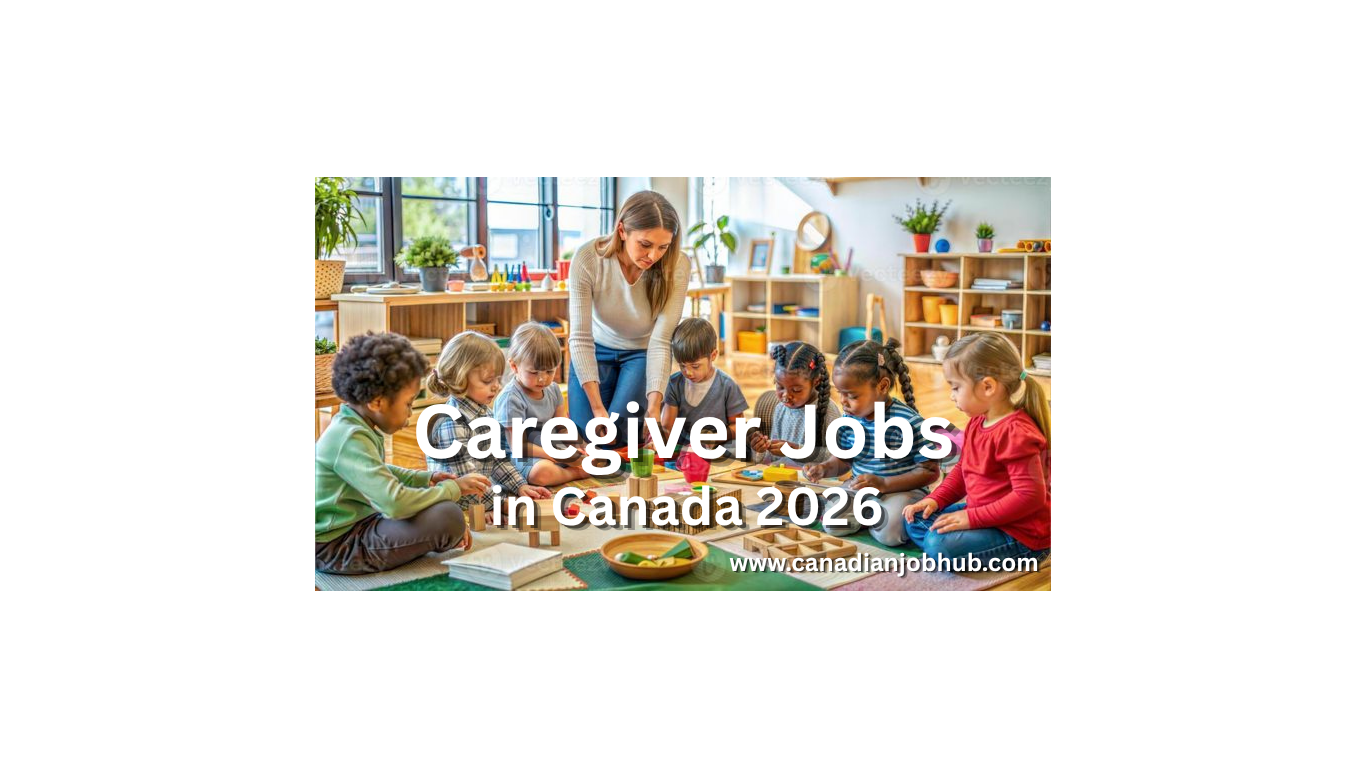
- Caregivers
Technology
- Software Developers
- Cybersecurity Specialists
- Cloud Engineers
- AI Specialists
- Data Analysts
Skilled Trades
- Electricians
- Welders
- Carpenters
- Plumbers
- Heavy Equipment Mechanics
Construction
- Civil Engineers
- Project Managers
- Site Supervisors
- Construction Labourers
Transportation
- Truck Drivers
- Delivery Drivers
- Logistics Coordinators
Hospitality
- Hotel Staff
- Housekeepers
- Chefs
- Restaurant Managers
- Food Service Supervisors
Agriculture
- Farm Workers
- Greenhouse Workers
- Fruit Pickers
- Dairy Workers
Canada Work Permit Updates
Foreign workers generally require:
- Valid job offer
- Employer compliance
- Work permit approval
- Medical examination (if applicable)
- Police clearance
- Valid passport
Many employers now recruit internationally due to ongoing labour shortages.
LMIA Changes
Labour Market Impact Assessments continue playing an important role.
Employers must demonstrate:
- Genuine labour shortage
- Recruitment efforts
- Fair wages
- Safe working conditions
Positive LMIA approvals significantly strengthen work permit applications.
Permanent Residency (PR) Opportunities
Popular PR pathways include:
- Express Entry
- Provincial Nominee Program
- Canadian Experience Class
- Atlantic Immigration Program
- Rural Community Immigration Programs
- Family Sponsorship
Student Pathways to PR
International students continue benefiting from:
- World-class education
- Post-Graduation Work Permit
- Canadian work experience
- Express Entry eligibility
- Provincial nominations
Studying in Canada remains one of the strongest long-term immigration strategies.
Canada Visitor Visa Updates
Visitor visas remain available for:
- Tourism
- Family visits
- Business meetings
- Conferences
Certain travellers may qualify for Electronic Travel Authorization (eTA), depending on nationality and travel method.
Eligibility Requirements
Don’t miss these trending job opportunities in 2026. Visit: 🌐www.canadianjobhub.com/ or send your updated CV to Apply Now. 📨career@canadianjobhub.com
Although requirements vary by program, applicants generally need:
- Valid passport
- Educational qualifications
- Work experience
- Language proficiency (IELTS/CELPIP/TEF where applicable)
- Medical examination
- Police certificates
- Financial documentation (if required)
Step-by-Step Application Process
Step 1
Choose the immigration program that matches your qualifications.
Step 2
Check eligibility requirements.
Step 3
Prepare educational and employment documents.
Step 4
Complete language testing if required.
Step 5
Create your online immigration profile.
Step 6
Receive an Invitation to Apply (if applicable).
Step 7
Submit supporting documents.
Step 8
Complete medical and biometric requirements.
Step 9
Await application processing.
Step 10
Receive your visa or permanent residence approval.
Benefits of Canada’s Immigration Policy 2026
- More immigration opportunities
- Faster processing in priority occupations
- Strong labour market demand
- Multiple PR pathways
- Family reunification options
- High salaries
- Universal healthcare (for eligible residents)
- Excellent education system
- Safe communities
- Multicultural environment
Common Mistakes to Avoid
- Submitting incomplete documents
- Providing inaccurate information
- Missing language requirements
- Ignoring provincial opportunities
- Applying under the wrong immigration program
- Failing to meet deadlines
- Not verifying employer legitimacy
More Opportunities:
- Canada Provincial Nominee Program (PNP) 2026: Complete Guide to Apply & Get Permanent Residency
- Austria Job Seeker Visa Explained (Easy Guide 2026)
- Canada Hotel Jobs for Foreigners 2026: Complete Guide to Work and Build a Career in Canada’s Hospitality Industry
- Germany Opportunity Card Explained (Latest Update 2026)
- Top 20 Canada Interview Questions for Foreign Workers (2026 Guide)
- Germany Work Visa 2026: Complete Process & Requirements for Foreign Workers
- Canada Seasonal Worker Visa Process 2026 – Complete Step-by-Step Guide for Foreign Workers
- How to Get a Schengen Work Visa in 2026 (Step-by-Step Guide)
- Urgent Canada Farm Worker Jobs 2026 – Apply Now with Visa Sponsorship
- How to Get an Oman Visa Without an Agent 2026.
- LMIA Jobs in Canada 2026: Complete Guide to Visa Sponsorship, Work Permits & High-Demand Careers
Frequently Asked Questions (FAQs)
Is Canada accepting immigrants in 2026?
Yes. Canada continues welcoming skilled workers, students, entrepreneurs, and family-sponsored applicants through multiple immigration pathways.
Which immigration program is the fastest?
Express Entry is often one of the fastest routes for eligible skilled workers, though processing times vary by program and application volume.
Can I move to Canada without a job offer?
Yes. Some immigration programs, including certain Express Entry streams, may not require a job offer, although having one can improve your chances.
What is the best province for immigrants?
Ontario, British Columbia, Alberta, Saskatchewan, and Manitoba remain popular choices due to employment opportunities and active Provincial Nominee Programs.
Are healthcare workers in demand?
Yes. Healthcare professionals remain among the highest-priority occupations in Canada’s immigration system.
Can international students become permanent residents?
Yes. Many international graduates transition to permanent residency through the Post-Graduation Work Permit, Express Entry, and Provincial Nominee Programs.
Conclusion
Canada’s New Immigration Policy 2026 continues to strengthen the country’s position as one of the world’s leading destinations for skilled workers, students, entrepreneurs, and families seeking a better future. With ongoing labour shortages, expanded Provincial Nominee Programs, category-based Express Entry draws, and improved work permit pathways, qualified international applicants have more opportunities than ever to build successful careers and secure permanent residency.
Whether your goal is to work in healthcare, technology, skilled trades, construction, hospitality, or another in-demand sector, preparing a strong application, choosing the right immigration pathway, and staying informed about the latest policy updates can significantly improve your chances of success. By understanding the new rules and planning ahead, you can take confident steps toward starting a new life in Canada in 2026.