










Schengen Work Visa
Europe remains one of the most attractive destinations for skilled and unskilled workers worldwide. With strong economies, high living standards, and diverse job opportunities, many people dream of working in Europe. However, understanding the Schengen work visa process can be confusing for first-time applicants.
In 2026, several updates and streamlined procedures have made it easier for foreign workers to apply for work visas in Schengen countries. Whether you are from India, Nepal, the Philippines, or any other country, this guide will walk you through everything you need to know—from eligibility requirements to application steps.
What is a Schengen Work Visa?
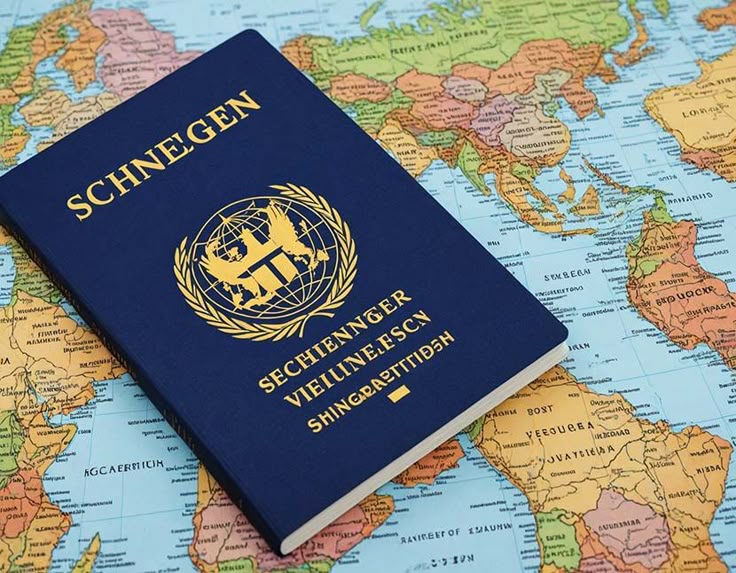
A Schengen Work Visa allows non-European citizens to live and work in one of the 27 Schengen countries. While the Schengen visa is commonly known for short-term travel, long-term work visas are issued by individual countries within the Schengen zone.
Key Point:
👉 There is no single “Schengen work visa”—you must apply for a work visa for a specific country such as:
Click Here: Urgent Canada Farm Worker Jobs 2026 – Apply Now with Visa Sponsorship
🇪🇺 Benefits of Working in Schengen Countries
Working in Europe offers several advantages:
- High salaries and strong labor protections
- Access to world-class healthcare
- Opportunity to travel within Schengen countries
- Work-life balance and employee benefits
- Pathway to permanent residency and citizenship
Types of Work Visas in Schengen Countries
Each country offers different types of work visas depending on your qualifications and job type.
Common Visa Types:
- Skilled Worker Visa
- EU Blue Card (for highly skilled professionals)
- Seasonal Work Visa
- Temporary Work Visa
- Intra-Company Transfer Visa
Eligibility Requirements
To apply for a work visa in a Schengen country, you must meet certain criteria:
Basic Requirements:
- Valid passport
- Job offer from a European employer
- Relevant qualifications or work experience
- Proof of accommodation
- Health insurance
- Clean criminal record
Step-by-Step Guide to Getting a Schengen Work Visa in 2026
Step 1: Choose the Country
Don’t miss these trending job opportunities in 2026. Visit: 🌐www.canadianjobhub.com/ or send your updated CV to Apply Now. 📨career@canadianjobhub.com
Research and select the country where you want to work. Each country has its own visa rules and job market demand.
Step 2: Find a Job Offer
You must secure a job before applying for a work visa.
Where to Search:
- Online job portals
- Company career pages
- Recruitment agencies
Step 3: Employer Sponsorship
In most cases, your employer must sponsor your visa or provide necessary documents such as a work contract.
Step 4: Gather Required Documents
Prepare all necessary documents carefully:
- Passport
- Job offer letter
- Educational certificates
- CV/Resume
- Health insurance
- Proof of funds
Step 5: Apply for Work Visa
Submit your application to the embassy or consulate of the country you are applying to.
Step 6: Attend Visa Interview
Some countries require an interview as part of the visa process.
Step 7: Wait for Processing
Processing times vary but usually take between 2 to 12 weeks.
Step 8: Travel to Europe
Once approved, you can travel and start working legally.
Cost of Schengen Work Visa
The cost depends on the country and visa type:
- Visa Fee: €60 – €150
- Additional Costs: Insurance, documentation, translation
Processing Time
- Average: 2–8 weeks
- Some cases: Up to 3 months
Best Schengen Countries for Jobs in 2026
Some countries offer better opportunities for foreign workers:
- Germany (high demand for skilled workers)
- Netherlands (tech and logistics jobs)
- France (hospitality and healthcare)
- Ireland (IT sector growth)
- Sweden (engineering jobs)
In-Demand Jobs in Europe
- IT and software development
- Healthcare and nursing
- Engineering
- Construction
- Hospitality
- Agriculture
Common Mistakes to Avoid
- Applying without a job offer
- Submitting incomplete documents
- Ignoring country-specific requirements
- Not preparing for interviews
Tips to Increase Approval Chances
- Apply to high-demand job sectors
- Improve your CV to European standards
- Learn basic local language
- Apply through verified employers
Frequently Asked Questions (FAQs)
1. Can I work in all Schengen countries with one visa?
No, you can only work in the country that issued your visa.
2. Do I need IELTS?
Not always, but English proficiency is helpful.
3. Can I switch jobs?
Depends on visa type and country rules.
4. Can I bring my family?
Yes, many countries allow family reunification.
Conclusion
Getting a Schengen work visa in 2026 is a structured but achievable process. With the right preparation, job offer, and documentation, you can successfully start your career in Europe. As demand for foreign workers continues to grow, now is the perfect time to explore opportunities and apply.
More Opportunities:
- How to Get an Oman Visa Without an Agent 2026.
- Urgent Canada Farm Worker Jobs 2026 – Apply Now with Visa Sponsorship
- LMIA Jobs in Canada 2026: Complete Guide to Visa Sponsorship, Work Permits & High-Demand Careers
- Urgent Hiring: Truck Driver Jobs in Canada for Foreigners (Up to $80K Salary)
- Oman Work Visa Update 2026
- How to Find Visa Sponsorship Jobs in Norway
- Canada Visitor Visa & eTA 2026
- Apply for Hot Jobs in Canada Now
- Which Canada Visa Is Easiest?
- Housekeeping Jobs in Canada with Visa Sponsorship 2026
- Settle in Germany Legally in 2026
- Where to Get Permanent Residency Quickly in 2026