Canada PR Pathway
Canada remains one of the most popular immigration destinations in the world. Every year, hundreds of thousands of people move to Canada to build better careers, enjoy a high quality of life, and secure a future for their families. One of the biggest goals for many immigrants is obtaining Permanent Residency (PR).
In 2026, Canada continues to offer multiple PR pathways designed for skilled workers, students, entrepreneurs, caregivers, and family members. Whether you are applying directly from abroad or transitioning from a work or study permit, understanding the available immigration programs is essential.
This comprehensive guide explains the major Canada PR pathways, eligibility requirements, application process, documents needed, and tips to improve your chances of approval.
What is Canada Permanent Residency (PR)?
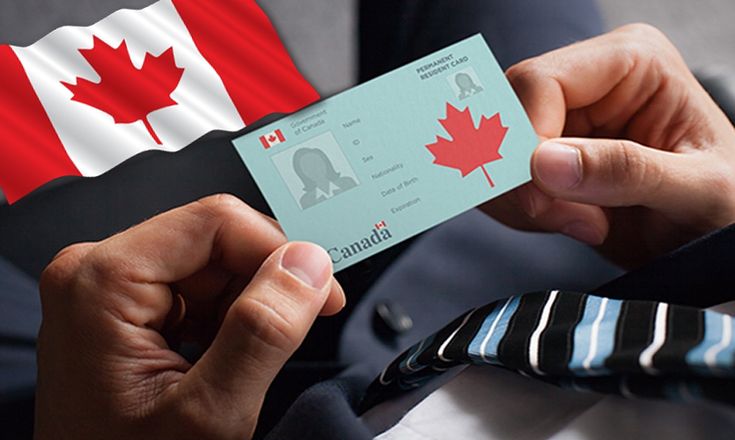
Permanent Residency allows foreign nationals to live, work, and study anywhere in Canada on a long-term basis. PR holders enjoy many of the same benefits as Canadian citizens, including access to healthcare, social benefits, and protection under Canadian law.
Key Benefits of PR
- Live and work anywhere in Canada.
- Access free public healthcare.
- Study at Canadian institutions.
- Sponsor eligible family members.
- Receive social benefits.
- Apply for Canadian citizenship after meeting residency requirements.
Click Here: Canada Work Visa Apply Online 2026 | Complete Work Permit Application Guide
Canada PR Pathways in 2026
Canada offers several immigration programs that lead to permanent residency.
1. Express Entry
Express Entry is Canada’s fastest and most popular PR system for skilled workers.
It manages applications under:
- Federal Skilled Worker Program (FSWP)
- Canadian Experience Class (CEC)
- Federal Skilled Trades Program (FSTP)
How it works:
- Create an Express Entry profile.
- Receive a Comprehensive Ranking System (CRS) score.
- Get invited through regular draws.
- Submit a PR application.
- Receive a decision from Immigration, Refugees and Citizenship Canada (IRCC).
Advantages:
- Faster processing times.
- No job offer required in some cases.
- Pathway for skilled professionals.
2. Provincial Nominee Program (PNP)
Each Canadian province operates its own immigration streams to meet local labor market needs.
Popular PNPs include:
- Ontario Immigrant Nominee Program (OINP)
- British Columbia PNP (BC PNP)
- Alberta Advantage Immigration Program (AAIP)
- Saskatchewan Immigrant Nominee Program (SINP)
- Manitoba Provincial Nominee Program (MPNP)
Advantages:
- Lower CRS requirements in some streams.
- Targeted occupation draws.
- Additional 600 CRS points if linked to Express Entry.
3. Atlantic Immigration Program (AIP)
The AIP helps skilled workers and international graduates settle in Atlantic Canada.
Participating provinces:
- Nova Scotia
- New Brunswick
- Prince Edward Island
- Newfoundland and Labrador
This program focuses on employer-driven immigration and offers a direct route to PR.
4. Rural and Northern Immigration Programs
Smaller Canadian communities participate in special immigration initiatives designed to attract newcomers.
Benefits include:
- Strong employer support.
- Lower competition.
- Opportunity to settle in affordable communities.
5. Family Sponsorship
Canadian citizens and permanent residents can sponsor eligible family members for PR.
Eligible relatives include:
- Spouse or common-law partner.
- Dependent children.
- Parents and grandparents (through specific programs).
6. Work Permit to PR Pathway
Many foreign workers transition from temporary work permits to permanent residency.
Common routes:
- Canadian Experience Class (CEC)
- Provincial Nominee Programs
- Employer-sponsored PR pathways
Gaining Canadian work experience significantly improves immigration prospects.
7. Study Permit to PR Pathway
International students often follow this pathway:
- Study at a designated Canadian institution.
- Obtain a Post-Graduation Work Permit (PGWP).
- Gain Canadian work experience.
- Apply for PR through Express Entry or a PNP.
This remains one of the most successful long-term immigration strategies.
Canada PR Eligibility Requirements
Eligibility varies by program, but most applicants must meet the following criteria:
1. Age
Applicants aged 20–35 generally receive maximum points.
2. Education
Recognized education credentials are required. Many applicants must complete an Educational Credential Assessment (ECA).
3. Language Proficiency
Applicants usually need approved test results such as:
- IELTS
- CELPIP
- TEF Canada
- TCF Canada
4. Work Experience
Skilled work experience is a major factor in most PR programs.
5. Proof of Funds
Applicants may need to show sufficient financial resources to settle in Canada.
6. Medical Examination
Applicants must pass a medical exam conducted by an approved physician.
7. Police Clearance
Police certificates are required from countries where the applicant has lived.

Step-by-Step Canada PR Application Process
Step 1: Determine Your Eligibility
Choose the immigration program that best matches your profile.
Step 2: Complete Language Testing
Take IELTS, CELPIP, TEF, or another approved language test.
Step 3: Obtain an Educational Credential Assessment (ECA)
Verify that your foreign education is equivalent to Canadian standards.
Step 4: Create Your Immigration Profile
For Express Entry, create an online profile and receive a CRS score.
Step 5: Receive an Invitation to Apply (ITA)
If your score meets the cutoff, you may receive an ITA.
Step 6: Submit Your PR Application
Upload all required documents and pay the application fees.
Step 7: Complete Biometrics and Medical Exam
Attend appointments as instructed by IRCC.
Step 8: Wait for Processing
Processing times vary by program and application volume.
Step 9: Receive Confirmation of Permanent Residence (COPR)
Once approved, you will receive your COPR and can prepare to move to Canada.
Documents Required for Canada PR
Don’t miss these trending job opportunities in 2026. Visit: 🌐www.canadianjobhub.com/ or send your updated CV to Apply Now. 📨career@canadianjobhub.com
Commonly required documents include:
- Valid passport
- Educational certificates
- Educational Credential Assessment (ECA)
- Language test results
- Employment reference letters
- Resume/CV
- Proof of funds
- Police clearance certificates
- Medical examination results
- Birth certificate
- Marriage certificate (if applicable)
Estimated Costs
| Expense | Estimated Cost (CAD) |
|---|---|
| Language Test | $250–$350 |
| ECA | $200–$350 |
| PR Application Fee | $1,525 |
| Biometrics | $85 |
| Medical Examination | $150–$350 |
| Police Certificate | Varies |
Top Occupations for PR in 2026
Canada continues to prioritize workers in high-demand sectors.
Popular occupations include:
- Registered Nurses
- Software Engineers
- Data Scientists
- Truck Drivers
- Electricians
- Welders
- Construction Managers
- Accountants
- Teachers
- Healthcare Support Workers
Tips to Increase Your PR Chances
- Improve your language score.
- Gain additional skilled work experience.
- Apply for a Provincial Nominee Program.
- Obtain a valid job offer from a Canadian employer.
- Keep your immigration profile updated.
- Ensure all documents are accurate and complete.
Common Reasons for Refusal
- Incomplete applications.
- Insufficient proof of funds.
- Low language scores.
- Incorrect or missing documents.
- Medical inadmissibility.
- Criminal inadmissibility.
- Misrepresentation.
More Opportunities:
- Canada Work Visa Apply Online 2026 | Complete Work Permit Application Guide
- Canada New Immigration Policy 2026 – Latest Rules, PR, Work Permit & Visa Guide
- Top 10 In-Demand Jobs in Canada 2026: High-Paying Careers, LMIA & Visa Sponsorship Guide
- Canada Provincial Nominee Program (PNP) 2026: Complete Guide to Apply & Get Permanent Residency
- Canada Provincial Nominee Program (PNP) 2026: Complete Guide to Apply & Get Permanent Residency
- Austria Job Seeker Visa Explained (Easy Guide 2026)
- Canada Hotel Jobs for Foreigners 2026: Complete Guide to Work and Build a Career in Canada’s Hospitality Industry
- Germany Opportunity Card Explained (Latest Update 2026)
- Top 20 Canada Interview Questions for Foreign Workers (2026 Guide)
- Germany Work Visa 2026: Complete Process & Requirements for Foreign Workers
- Canada Seasonal Worker Visa Process 2026 – Complete Step-by-Step Guide for Foreign Workers
- How to Get a Schengen Work Visa in 2026 (Step-by-Step Guide)
- Urgent Canada Farm Worker Jobs 2026 – Apply Now with Visa Sponsorship
- How to Get an Oman Visa Without an Agent 2026.
- LMIA Jobs in Canada 2026: Complete Guide to Visa Sponsorship, Work Permits & High-Demand Careers
Frequently Asked Questions (FAQs)
What is the easiest Canada PR pathway?
There is no single easiest pathway. The best option depends on your age, education, work experience, language score, and whether you have a job offer.
Can I get PR without a job offer?
Yes. Many Express Entry and Provincial Nominee streams do not require a job offer.
How long does Canada PR take?
Processing times vary. Express Entry applications are often processed faster than paper-based provincial applications.
Can international students become permanent residents?
Yes. Many students transition to PR through the Post-Graduation Work Permit, Express Entry, or Provincial Nominee Programs.
Which province offers the best PR opportunities?
Popular provinces include Ontario, British Columbia, Alberta, Saskatchewan, and Manitoba, but the best choice depends on your occupation and qualifications.
Conclusion
The Canada PR Pathway 2026 offers multiple opportunities for skilled workers, international students, entrepreneurs, and families to build a future in Canada. Whether you choose Express Entry, a Provincial Nominee Program, a work permit transition, or family sponsorship, careful preparation and understanding the requirements are key to success.
By improving your language scores, gaining relevant work experience, selecting the right immigration program, and submitting a complete application, you can significantly increase your chances of obtaining Canadian Permanent Residency and eventually becoming a Canadian citizen.
Canada continues to welcome newcomers who can contribute to its economy and society, making 2026 an excellent time to explore your PR options.